Michael’s Final Dozen
My attempt at retirement in 2021 was short-lived; but now, with our future clear with a rejuvenated team at work, I’m about to try again. While I will still be fully involved helping oversee the shop, I will soon stop my actual building of instruments.
Our team have encouraged me to build a dozen guitars as a sort of farewell to the work I began as a ten year old boy in a Connecticut boatyard in 1957.
With full support of the Froggy Bottom Team, I’ve begun building twelve guitars as something of a last hurrah at my craft. All these guitars will be of superb quality Brazilian rosewood and some of our last remaining 1876 vintage German spruce that I bought in 1969. Each one will have a unique engraved mammoth ivory heel cap by Petria Mitchell and our logo and #3 fleur-de-lis fretboard inlay pattern in engraved MOP by Glenn Carson.
These guitars are being built in two groups, and all are top of the line “Limited-Plus” grade instruments. The first six are a 12 fret SJ, a Model M, a P-12, an F-14, an R-12 and an H-12. The second group may be selected from the Froggy models listed below and may be tailored to the individual specifications of the buyer, provided timing of the build allows this.
Thank you to the many, many people I’ve worked with and beside over these many years in the guitar world. Your trust, confidence, and encouragement are gifts far beyond words.
– MM
Michael provides some background on each of the models offered:
P12
In 1985, having just moved home and the FBG workshop from Richmond, NH to Newfane, VT, I wanted to build a guitar for my son Jacob. I had a very fine set of koa which came from my days as the shop foreman at Gurian guitars. The back had been damaged so that it was only suitable for a parlor
F14
During my early years in NYC at Gurian Guitars, there was quite a buzz around flat-top conversions of Martin F-style arch tops done by the Silber brothers. The first of these, as I understand it, was of a Brazilian rosewood F-9 which went to David Bromberg. That guitar took the world by storm, and eventually became Martin’s “M” design. I
S12
Before the “Folk Boom” of the late 1950’s or the explosion of acoustic guitars into rock and roll a decade later, I was fortunate that my family was part of an extended circle of musical friends. several of whom owned guitars which, twenty-five years later, would be more valuable than their homes. Three of those guitars simply mesmerized me: a
G
My life changed immeasurably in many ways when I began working in a boatyard in Connecticut in my pre-teen years. I made friendships there which would last my entire life. I was introduced to the highest levels of woodworking craftsmanship I would ever know, and I was introduced to the Blues. Much of this came through my friendship with John
B12
I first met Paul Geremia at the 1963 Newport Folk Festival, sitting on the tailgate of a pickup truck. Paul’s musical skills seemed to be complete even when he was a very young man: his guitar playing is incredibly versatile, his harmonica work exceptional, his singing and his writing stellar. We shared a love of twelve string guitar work that
K
Among the guitars I saw very rarely, but always found myself loving, have been various flat top variations of Gibson’s Iconic L-5 arch top. I vividly recall the first couple J-185’s I encountered in the ’50’s. Fingerstyle blues with bare fingers, a perfectly balanced voice and a unique midrange I had heard nowhere else. Very shortly after that the Everly
R12
In the sixties, before the world became fully aware of the value of older guitars, I had the good fortune to own several Gibson L-00 instruments. All had lived hard lives; one of them was a miracle to even function as a playable guitar. Gibson often painted guitars black in the ’30’s to hide cosmetic flaws, mismatched wood, and who
M
The most popular guitars in our catalog have always been Grand Concert models; our sweet spot seems to have just developed there organically. As with the classical guitar evolving in an endless pursuit of tone, balance, volume, and playability, the Grand Concert/000 steel string has evolved in continual pursuit of those qualities. Regardless of the endless attempts by modern builders
H12
Over the fifty six years we have been building, the most popular design we offer has always been the H-12. My sense is that the design is effectively the steel-string translation of the long term design of the classical guitar, slightly larger to acommodate steel strings. The search for tone, balance, volume, and durability is fully realized in this instrument
These six are in progress:
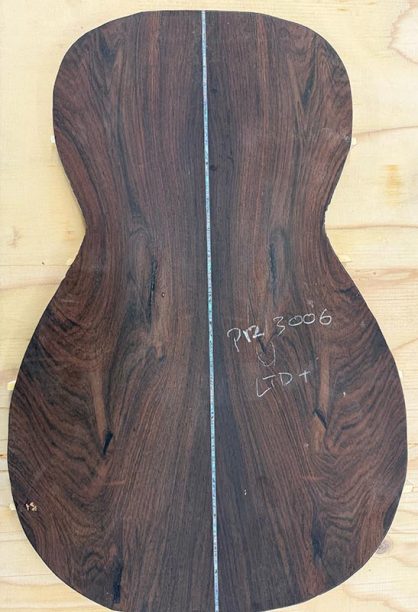
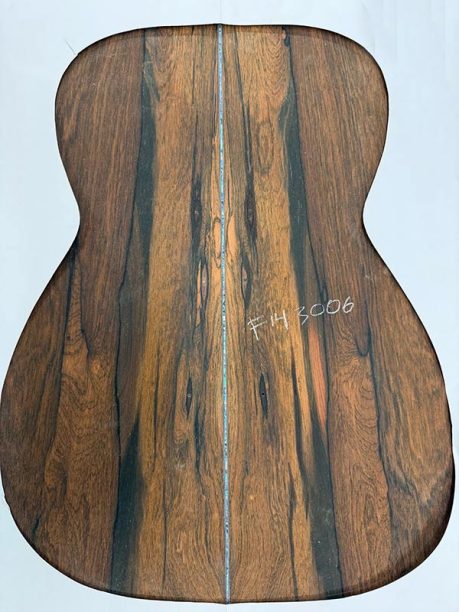
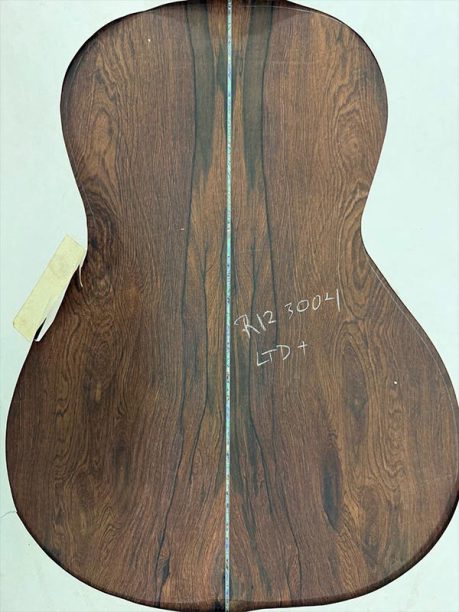
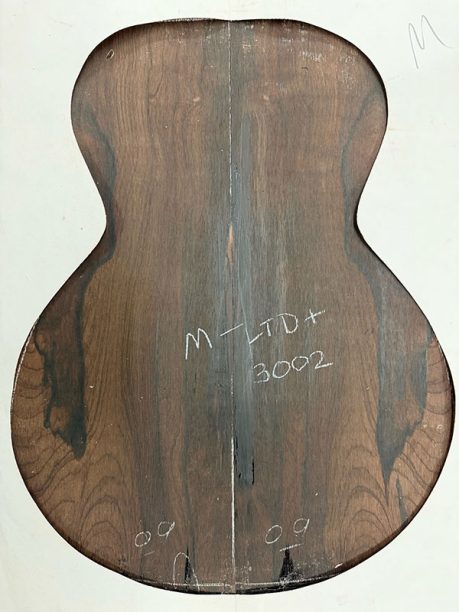
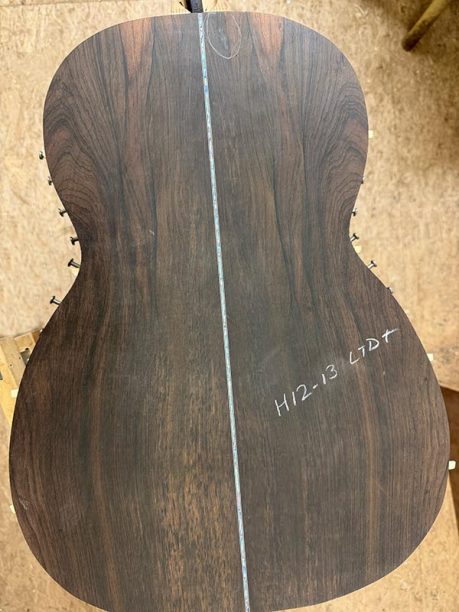
These sets of wood have been claimed for custom orders:
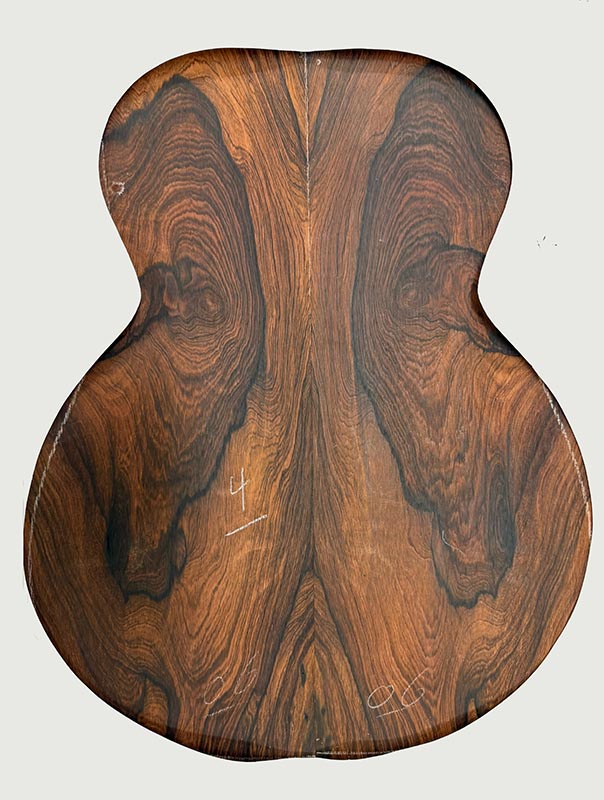
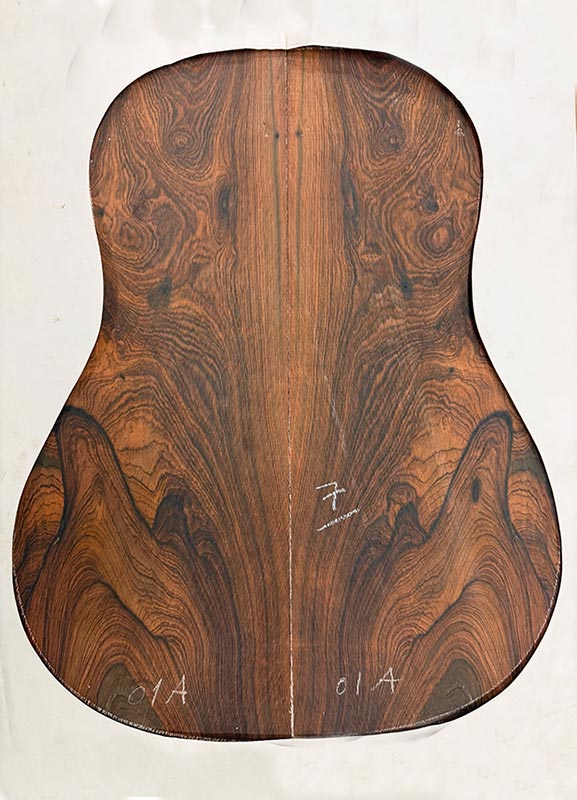
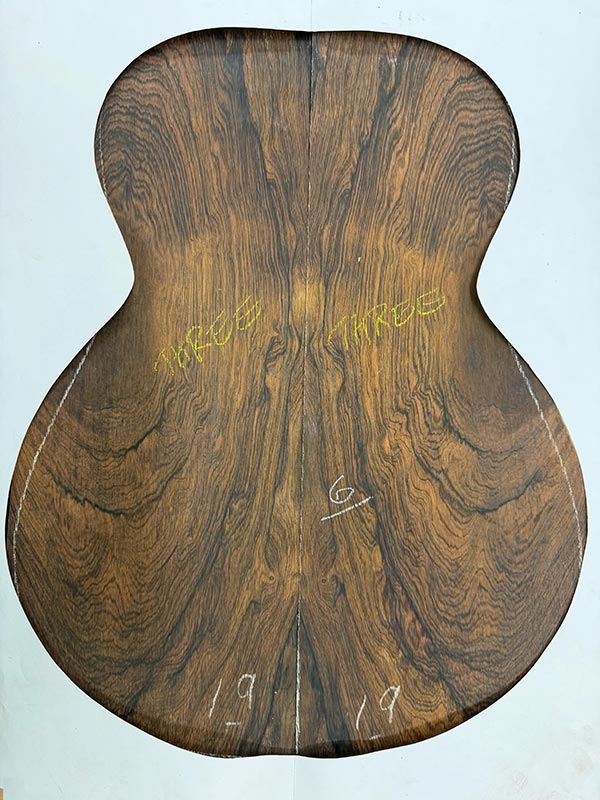
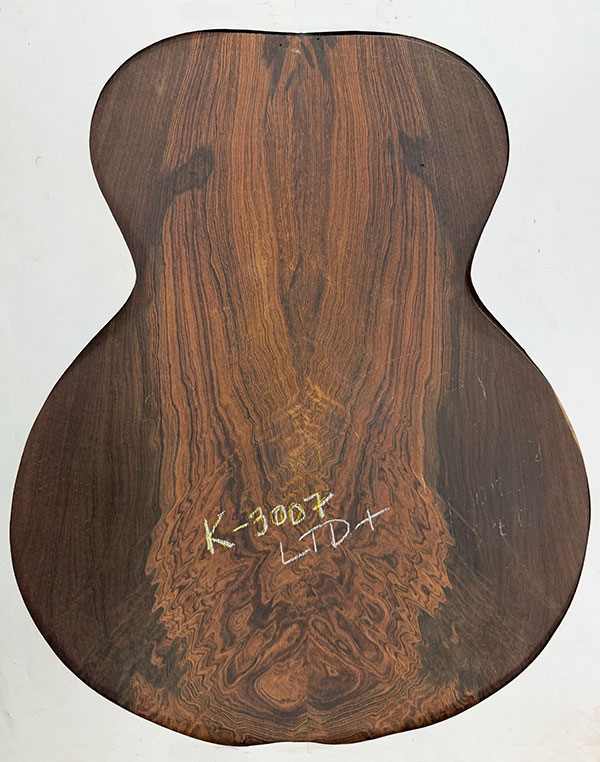
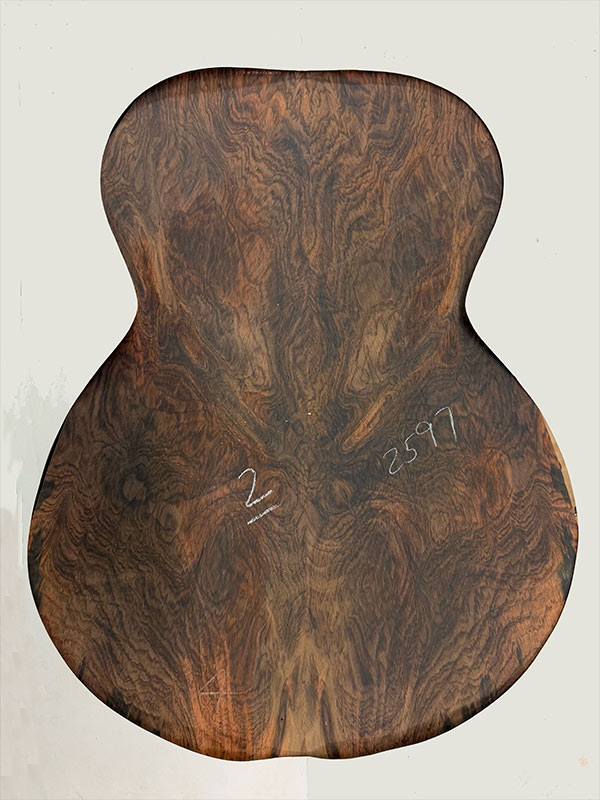
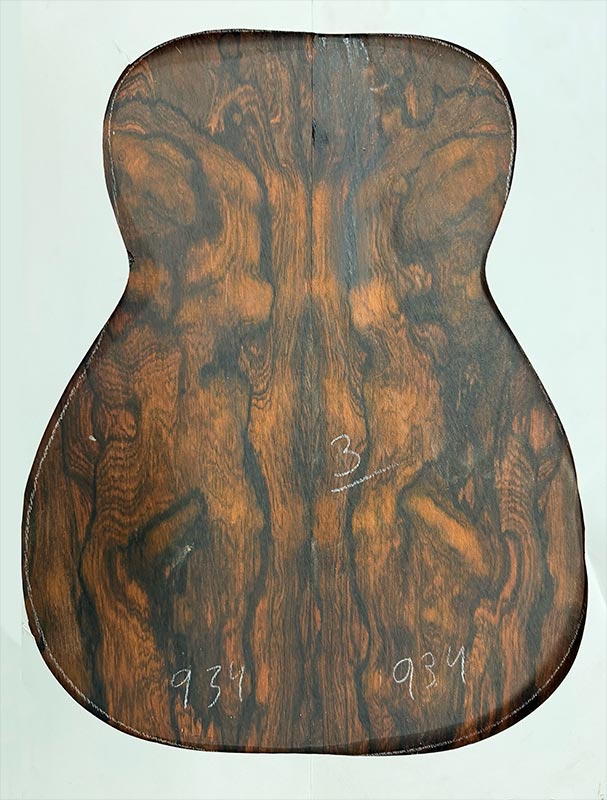
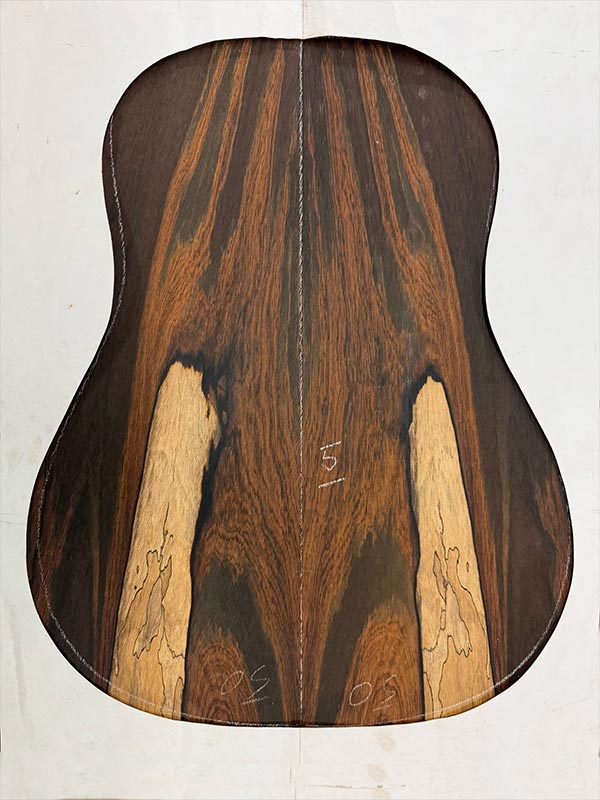
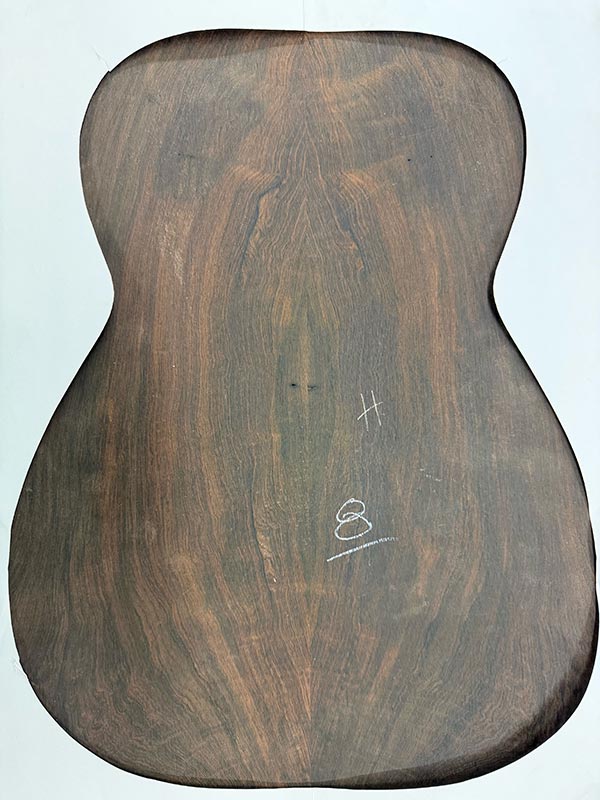
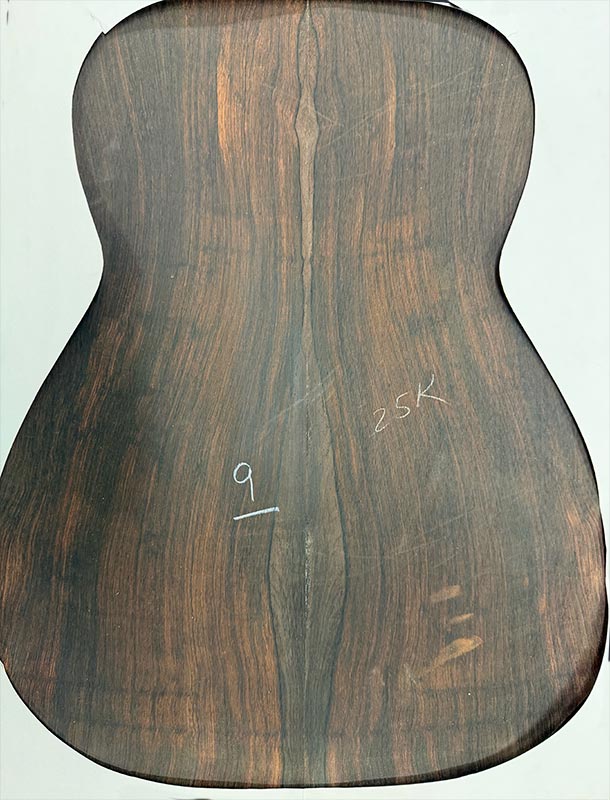
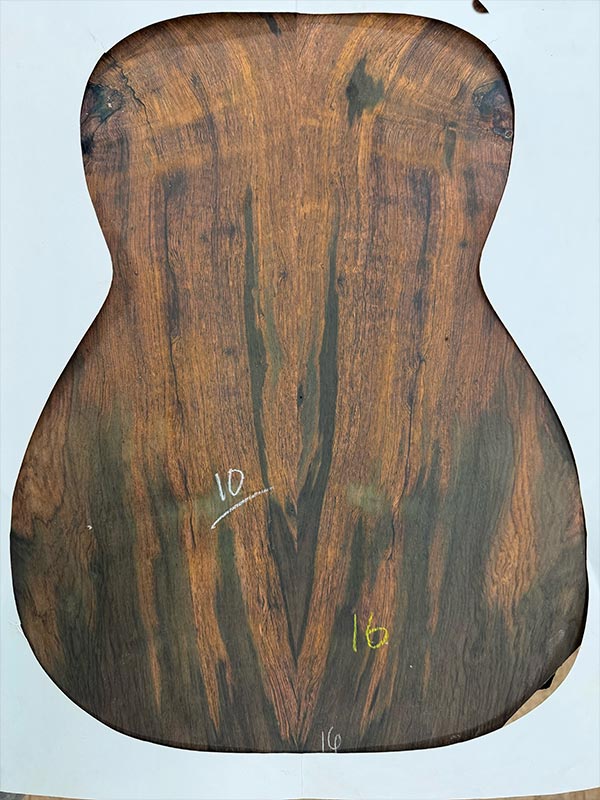
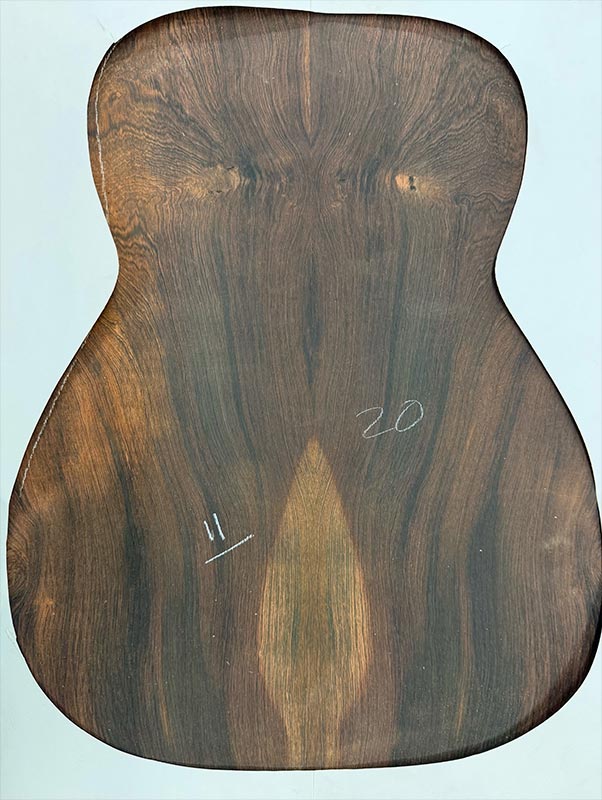
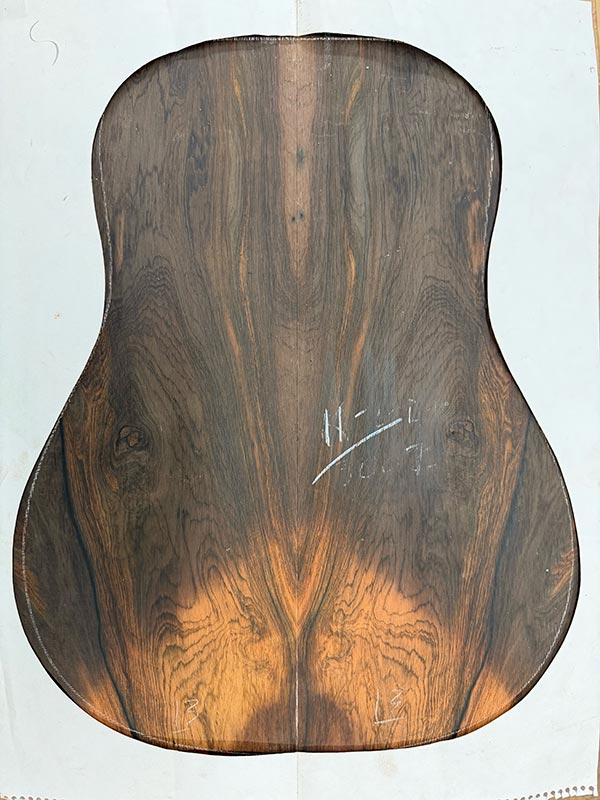
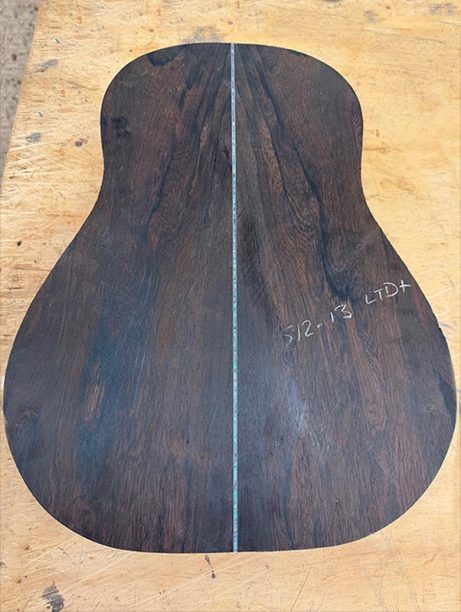
Photos of the raw sets of Brazilian rosewood that are still available:
(You can click on an image to see full image in a slideshow, left-click or control-click to open image in a new tab and then use your browser commands to enlarge it even more.